
A blocked artery in your neck may not cause any symptoms until it leads to a medical emergency. Carotid artery disease develops when plaque narrows the arteries that carry blood to your brain, raising your risk of stroke. At East Bay Cardiovascular and Thoracic Associates, serving Danville, Concord, and Pleasanton, CA, our board-certified cardiovascular specialists diagnose and manage carotid artery disease to reduce stroke risk before complications occur.
What Is Carotid Artery Disease?
Your carotid arteries run along each side of your neck. They deliver oxygen-rich blood from your heart to your brain.
Over time, fatty deposits called plaque can build up along the artery walls. This buildup gradually narrows the passageway available for blood to travel through. When blood flow to the brain drops too low, brain tissue can be starved of oxygen, and that is when the condition becomes dangerous.
When Does Carotid Artery Disease Become Dangerous?
Risk rises sharply once plaque significantly narrows an artery or a clot blocks it. A narrowed artery gives blood less room to move, which raises pressure on the whole system.
Pieces of plaque or blood clots can also break loose and travel toward the brain. Once there, they can block a smaller vessel and cut off blood supply. This chain of events can trigger a transient ischemic attack (TIA) or a full stroke, both of which need prompt medical care.
Warning Signs You Shouldn’t Ignore
Certain symptoms point to a possible TIA or stroke in progress. Watch for these signs, especially if they appear without warning:
- Sudden weakness or numbness, especially on one side of your body
- Sudden trouble speaking or understanding what others say
- Sudden changes in your vision, including blurring or loss of sight
- Sudden dizziness or a loss of balance
- A sudden, severe headache with no clear cause
These symptoms often appear out of nowhere and can escalate fast. If you notice any of them, treat it as a medical emergency and seek help right away.
TIA vs. Stroke: What’s the Difference?
A TIA can produce stroke-like symptoms that fade within minutes or hours. Because the symptoms go away, it’s tempting to assume nothing serious happened.
That assumption can be costly. A TIA is often a warning sign that a larger stroke may follow, sometimes within days. Getting evaluated after a TIA gives your care team a chance to lower your future risk.
Who Is at Greater Risk?
Several factors can raise your likelihood of developing carotid artery disease. Common risk factors include:
- High blood pressure
- High cholesterol
- Smoking
- Diabetes
- Older age
- A family history of cardiovascular disease
Managing these factors with your doctor’s guidance may help lower your risk of complications. Small, consistent changes to your daily habits can make a real difference over time.
When Should You See a Doctor?
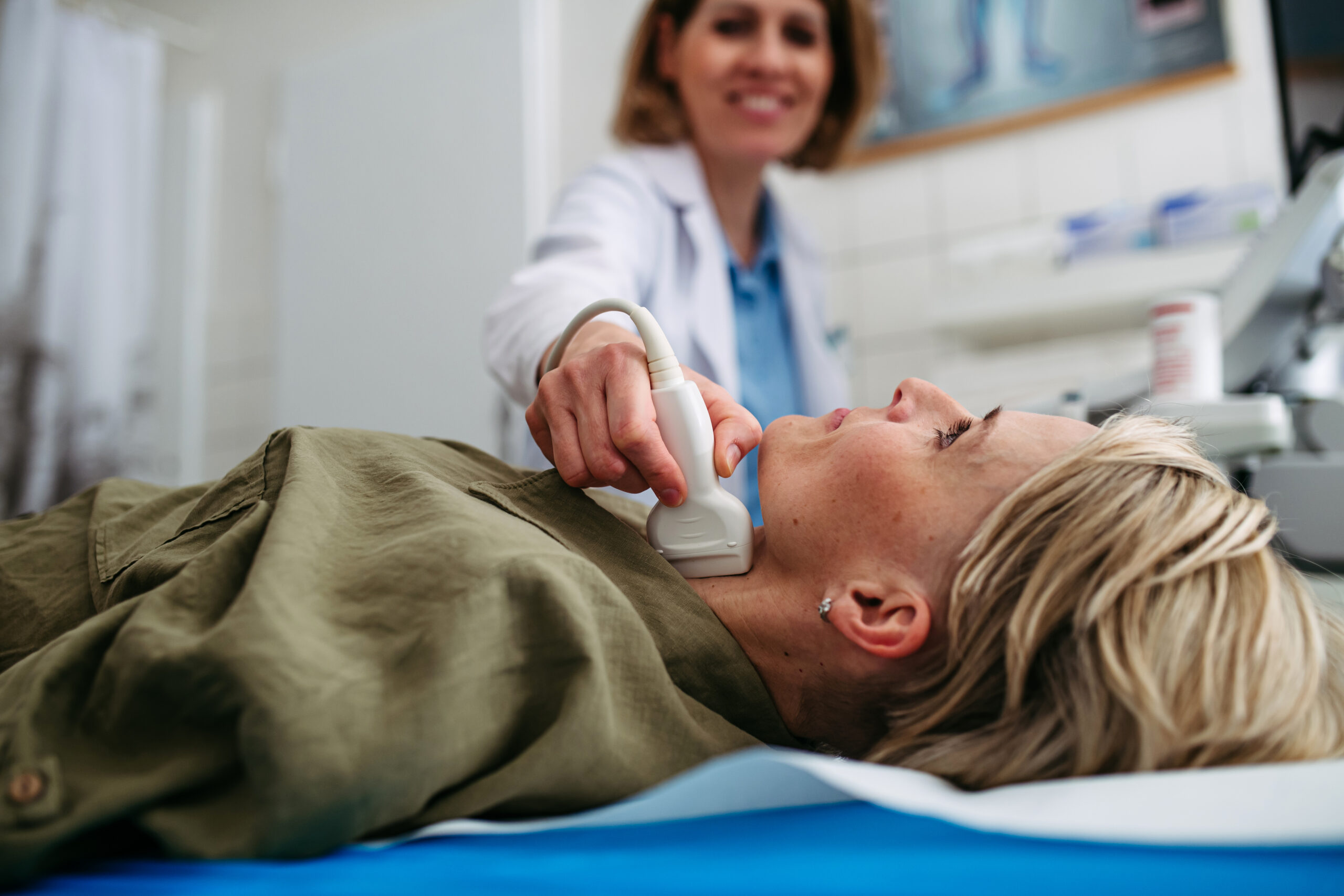
Schedule an evaluation if you notice any warning signs or carry several risk factors above. Your doctor may recommend imaging tests to check blood flow and look for narrowing in your arteries.
Treatment depends on how advanced the disease is and your overall health. Options range from lifestyle changes and medication to procedures such as an endarterectomy, and our vascular conditions and treatments page walks through what each approach involves.
Trusted Experts in Vascular Care
At East Bay Cardiovascular and Thoracic Associates, serving Danville, Concord, and Pleasanton, CA, our team brings deep experience in carotid disease and stroke prevention.
Together with the rest of our providers, they use advanced imaging and a range of surgical and minimally invasive options to protect your brain health. You can also browse our cardiac specialty services to see the full scope of care available to you.
Learn the Warning Signs and Book Today
Sudden stroke symptoms are a medical emergency, not something to wait out. If symptoms appear, call 911 rather than waiting to see if they improve on their own. If you’re concerned about carotid artery disease or your stroke risk, don’t wait for a warning sign to act. Contact our offices, serving the East Bay region of San Francisco, CA, today to schedule a consultation with our team of specialists.
